Build Your Backrooms Monsters Tier List
Ranked by catch value, offline payouts, and how well each role fits choke-point maze design.
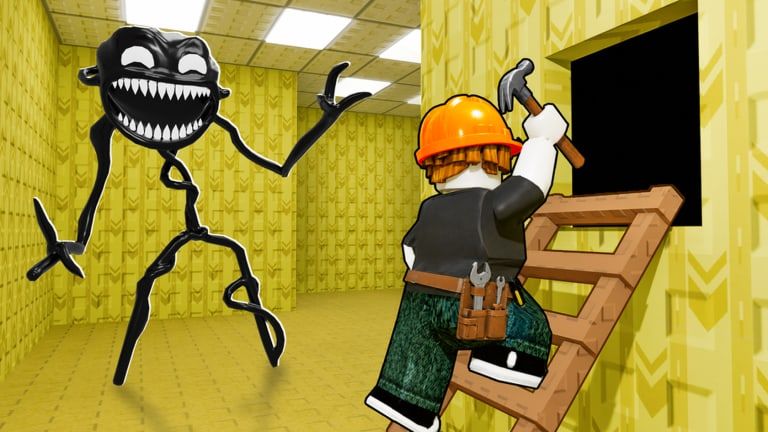
This Monsters Tier List ranks every major hunter archetype in Build Your Backrooms on Roblox. Wind Sun Moon [WSM] built the game around a simple threat loop: visitors enter your maze, monsters catch them, and you earn cash—including while offline. Placement role matters as much as raw stats, so tiers here reflect real maze performance, not shop rarity alone.
Pair this page with the Buildings Tier List and the Monsters Index when you plan purchases. For hub-wide ranking rules, see the Tier List Hub.
Ranking criteria
| Factor | Weight | Notes |
|---|---|---|
| Catch frequency | High | Measured on standard hallway choke layouts |
| Offline income | High | Official feature: monsters work when you are away |
| Placement flexibility | Medium | Works in many maze shapes vs one niche design |
| Cost to unlock | Medium | Early cash is scarce; efficiency matters |
| Counterplay risk | Low | Visitors who learn routes can dodge slow roles |
S Tier — Core income monsters
These are the hunters most builders aim for once baseline hallways exist. They combine reliable triggers with strong payouts per catch.
Corridor Stalker archetype
Long straight segments are the backbone of backrooms mazes. Corridor stalkers accelerate toward visitors on sightlines with few escape tiles. Place them mid-hall—not at entrances where players still have stamina to reverse.
Why S tier: Highest catch density per cash spent when paired with narrow hallway buildings from the buildings list.
Junction Lurker archetype
Fork rooms punish wrong turns. Junction lurkers idle off the main path until a visitor commits to a branch, then strike before the player can backpedal.
Why S tier: Synergy with A-tier junction pieces creates multi-catch loops without extra monster slots.
Offline Anchor archetype
Some monsters prioritize passive tick income when the owner is not in server. Offline anchors may show slightly lower live catch rates but dominate overnight bank growth.
Why S tier: Matches official offline-catch promise; essential for players who check the game once or twice daily.
A Tier — Reliable workhorses
A-tier monsters excel in at least one maze style and rarely feel like wasted cash.
Wide-Room Patroller
Needs open feature rooms but covers multiple entry angles. Strong in mazes that use larger liminal chambers between hallway chains.
Quick Tag Hunter
Lower per-catch payout but fast cooldown. Stacks value when visitors run long routes with many short segments.
Starter Elite
One or two early unlocks punch above their price tier. Keep them in compact mazes even after mid-game upgrades elsewhere.
B Tier — Mid-game fillers
B-tier picks are fine while saving for S-tier targets. Replace them when shop prices for top hunters become affordable.
Noise-Triggered Hunter
Activates when visitors sprint or interact with props. Useful in trap wings; weak in silent explorer routes.
Slow Bulwark
High single-hit reward but long wind-up. Visitors who memorize timing dodge consistently unless you add misleading side paths.
Dual-Path Watcher
Covers two short branches from one tile. Good budget option for T-junctions before you unlock dedicated junction lurkers.
C Tier — Situational picks
C-tier monsters can shine in themed mazes but underperform in generic income layouts.
Decorative Scare unit
Strong jump-scare animation, lower economy stats. Build for showcase visits, not leaderboard cash.
Dead-End Guard
Only triggers when visitors enter intentional trap rooms. Deadly in puzzle mazes; idle traffic elsewhere.
Low-Range Swarm
Multiple weak hits that need clustered placement. Overlap with better A-tier options once unlocked.
F Tier — Deprioritize for income
F-tier does not mean “never buy”—collection completion and aesthetic goals still matter. For pure cash progression, skip until your core roster is set.
Legacy Starter
Outclassed by Starter Elite variants with similar unlock cost bands.
Open-Field Roamer
Needs huge rooms; most income mazes cannot spare the tile budget.
High-Maintenance Rare
Pretty shop thumbnail, inconsistent triggers unless visitors follow exact pathing you cannot enforce in public servers.
Role placement cheat sheet
| Monster role | Best building partner | Avoid pairing with |
|---|---|---|
| Corridor stalker | Long straight hallway modules | Wide plazas with side exits |
| Junction lurker | T-junction and four-way forks | Single-loop circles with no branches |
| Zone patroller | Feature rooms, pool-style chambers | One-tile-wide choke chains |
| Offline anchor | Any high-traffic route | Dead-end-only mazes with low visit volume |
| Dead-end guard | Trap wing segments | Main path shortcuts |
Sample progression path
- Unlock Starter Elite and baseline hallway buildings from the Buildings Index.
- Add one Quick Tag Hunter per major loop to raise catch count.
- Save for Corridor Stalker or Junction Lurker depending on whether your maze favors lines or forks.
- Invest in an Offline Anchor once daily check-ins become habit.
- Swap B-tier fillers as S-tier slots open; sell or reposition—not delete—when the game allows redeployment.
Visiting and defending
When you explore another player’s maze, note which S-tier roles appear at choke points. Copy the concept—choke plus matching hunter—not necessarily the same unlock order, especially if their cash total differs from yours.
Servers support up to six players. Co-op scouting lets one friend trigger monsters while others map safe paths, teaching you which tiers feel oppressive in live traffic.
After patches
Wind Sun Moon [WSM] may rebalance catch payouts or add monsters during the early live period. Cross-check the Updates Hub after each changelog, then revisit this list. Use Cash Progress Tips to re-test whether your roster still matches income goals.
Related pages
- Buildings Tier List — Structure rankings that enable these monsters
- Monsters Index — Full catalog with unlock notes
- Maze Design Checklist — QA before publishing layout changes
- Tier List Hub — Hub overview and tier definitions
Frequently Asked Questions
Quick answers for maze builders and explorers.
Do monsters earn cash while I am offline?
Yes. The official Roblox description states monsters catch visitors even offline. Offline Anchor archetypes tend to benefit most, but any well-placed hunter contributes when traffic hits your maze.
What is the best monster for beginners?
Starter Elite and Quick Tag Hunter archetypes usually offer the best cash return for early unlock prices. Pair them with basic hallway buildings before buying expensive rare hunters.
Why is my S-tier monster underperforming?
Role mismatch is the usual cause. Corridor stalkers in open plazas or junction lurkers on straight lines with no forks will underperform despite high tier labels.
How many monsters should one maze have?
There is no universal cap, but most income-focused mazes place one hunter per major choke point plus optional dead-end guards. Overcrowding open rooms spreads catches thin.
Will new monsters shift this tier list?
Yes. New shop releases and balance patches can promote or demote archetypes. Watch the Updates Hub and re-test with a small layout before rebuilding your entire maze.